Oops! We could not locate your form.

Enabling the Power Grid of the Future
Solutions for Utilities
Level The Field
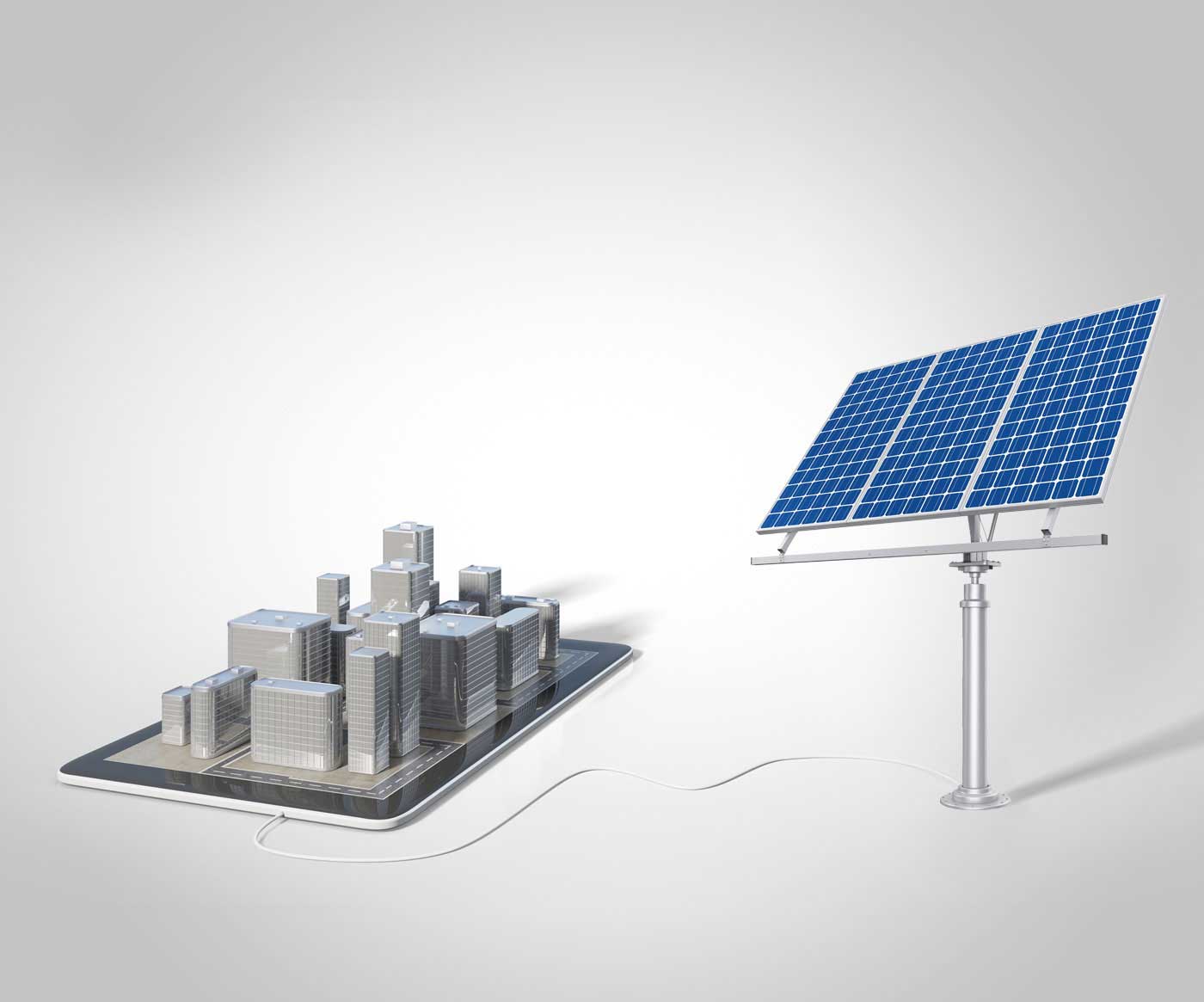
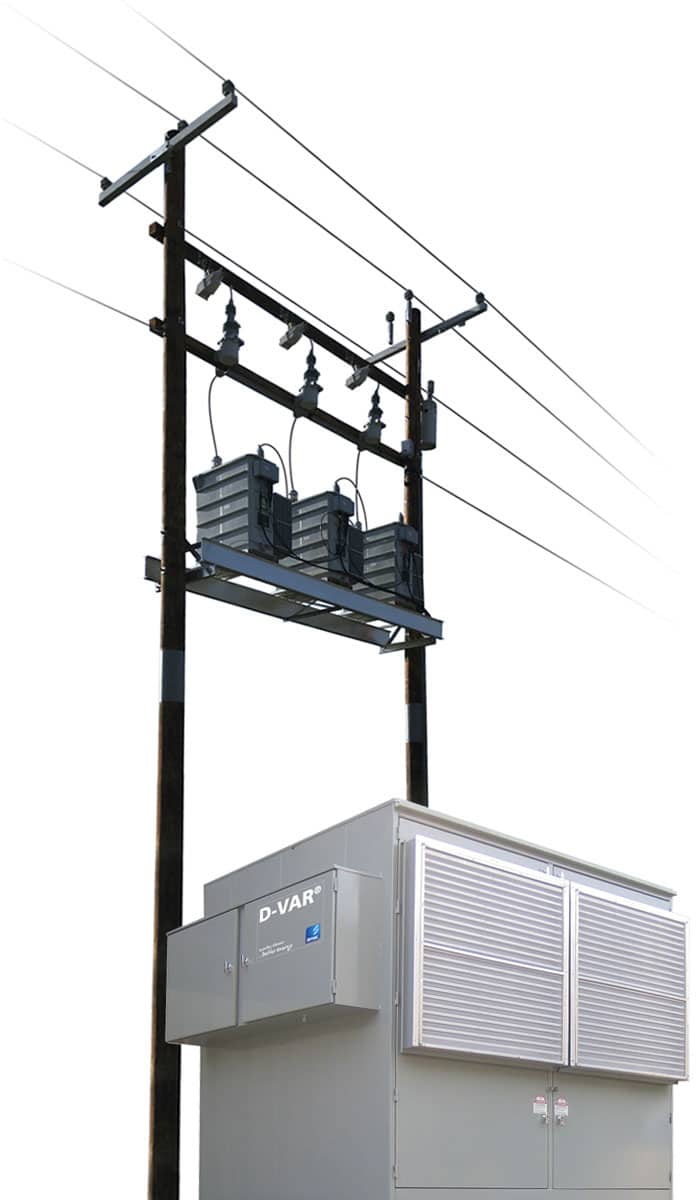
For a utility, the most important goal is customer satisfaction. Whether for large or small scale DG, or transmission-level voltage control, AMSC keeps your energy moving.
Click below for more info.
Distributed GenerationVoltage StabilityNetwork PlanningContact Us
Capacity + Reliability = Resiliency
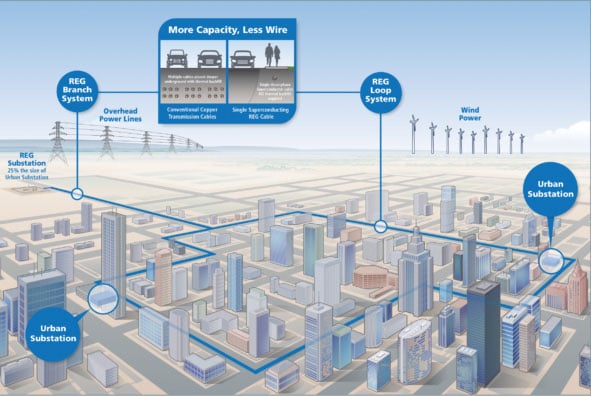
AMSC’s Resilient Electric Grid applications with high temperature superconductor (HTS) wire take up less space and transmit up to 10 times more power, allowing bulk transfer of transmission-level power at distribution voltages.
Solutions for Industrial
When it’s Critical, it’s gotta be AMSC
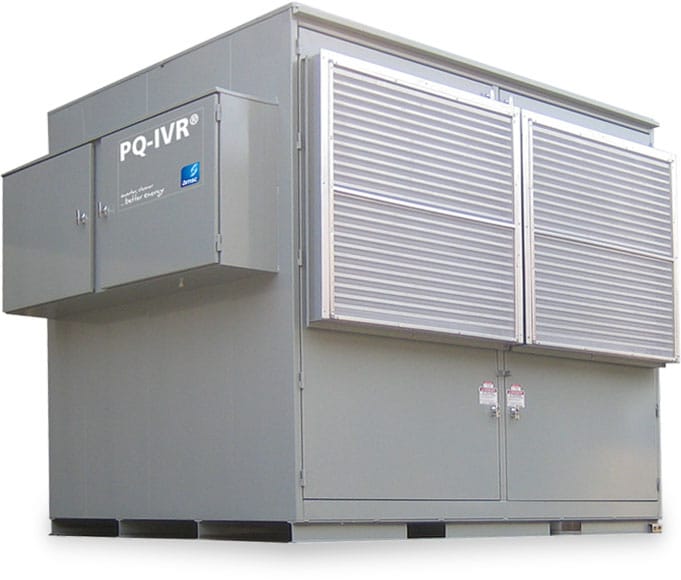
Variations in electrical power wreak havoc on sensitive manufacturing procedures. AMSC offers modular, cost-effective solutions that offer instantaneous, facility-wide voltage swells of up to 60% nominal.
Critical PowerIncrease CapacityIncrease ReliabilityContact Us